
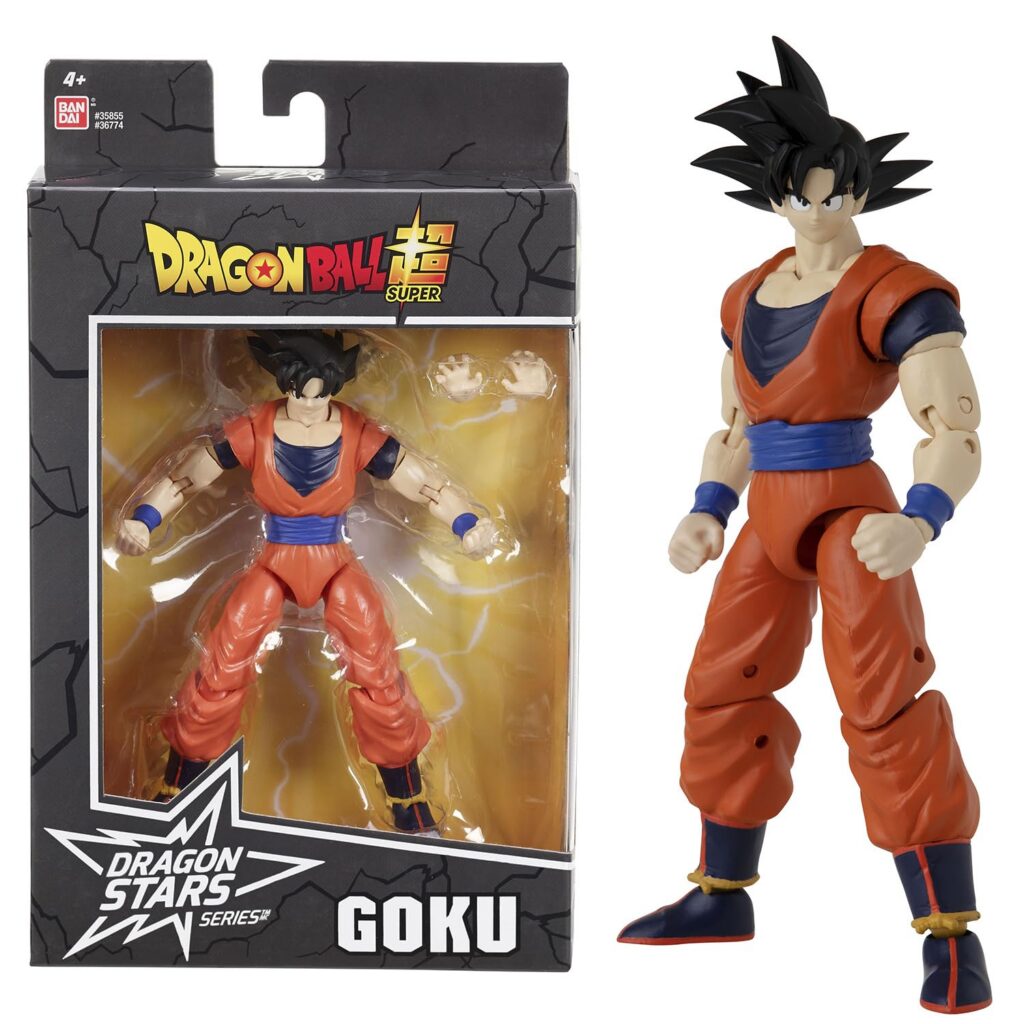
Dragon Ball figures are usually bought for display, so the first question is not only whether the character is popular. The better question is whether the sculpt, face, paint, pose, base, and box give enough confidence to keep the figure on a shelf for a long time.
In practice, I would compare figure listings from the details that are hardest to fix later. Face printing, hair sculpt, paint edges, leaning, missing accessories, weak packaging, and vague photos can change the whole purchase, even when the title sounds exciting.
Face Sculpt and Paint Quality
The face is the first thing most collectors notice. Eyes, mouth, skin tone, hairline, and expression should look clean from close range and still recognizable from across the room. Dragon Ball figures often depend on strong hair shapes and bold poses, so sloppy paint around the face can be very distracting.
For example, paint quality should be checked around hair tips, boots, gloves, clothing folds, muscles, and energy effects. A small flaw may be acceptable for a budget prize figure. But the listing should show enough detail for the buyer to judge the trade-off honestly.
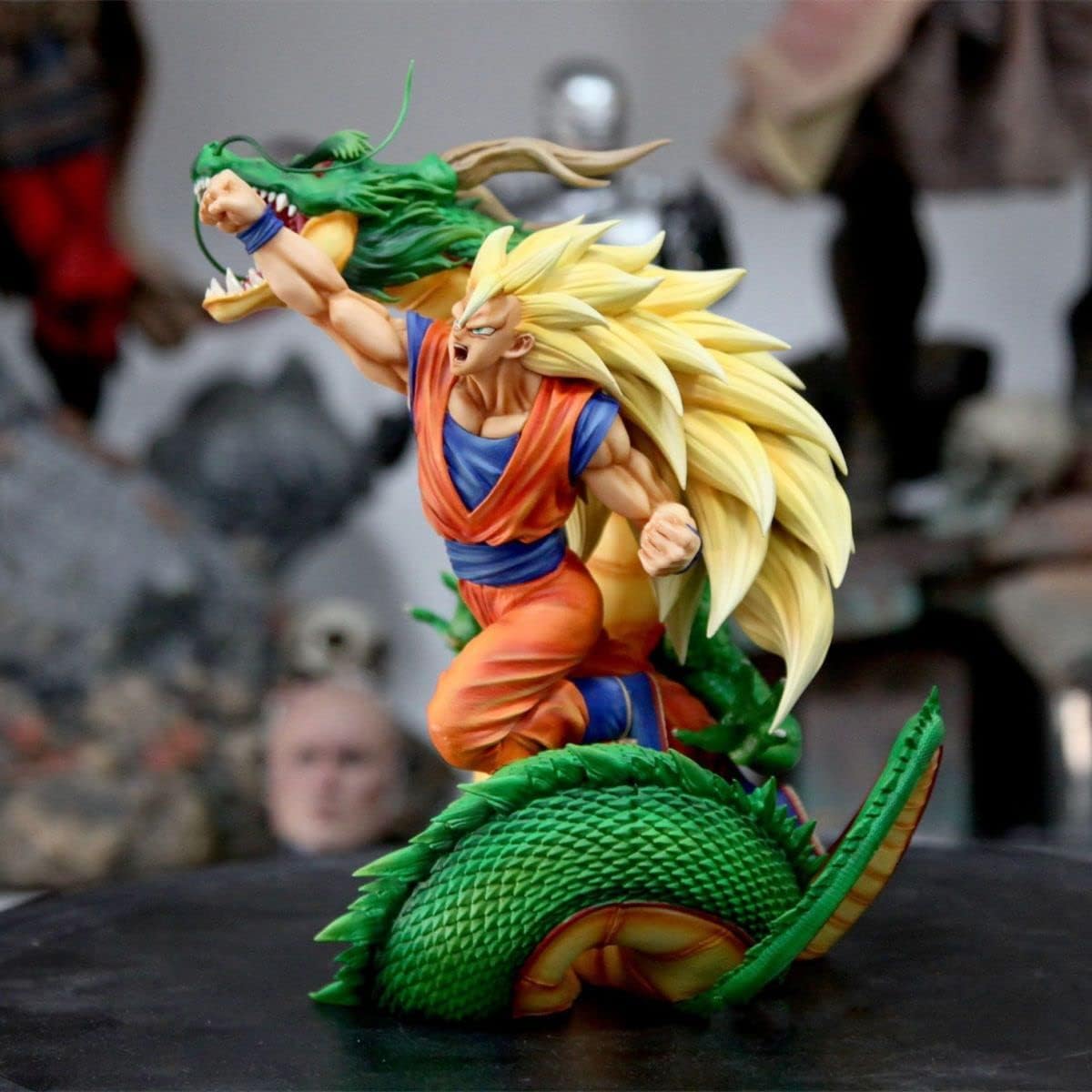
For the face sculpt and paint quality part, I would picture the figure already sitting on a shelf and then work backward to the proof in the listing. For this face sculpt and paint quality section, the deciding detail is different from the previous section: the buyer should compare the proof that belongs to this exact topic before trusting the listing. Detail 1 is about how face sculpt and paint quality changes the final choice for dragon ball figures.
Pose, Base, and Shelf Balance
Still, a dramatic pose can make a figure feel powerful, but it also needs stability. Wide stances, extended arms, flying effects, and large hair sculpts can shift weight in ways that matter on a shelf. The base should support the figure without looking awkward or taking more space than expected.
Shelf balance is especially important when the buyer already owns other figures. Scale, height, pose direction, and base footprint decide whether the new piece fits naturally with the rest of the display or fights for space.
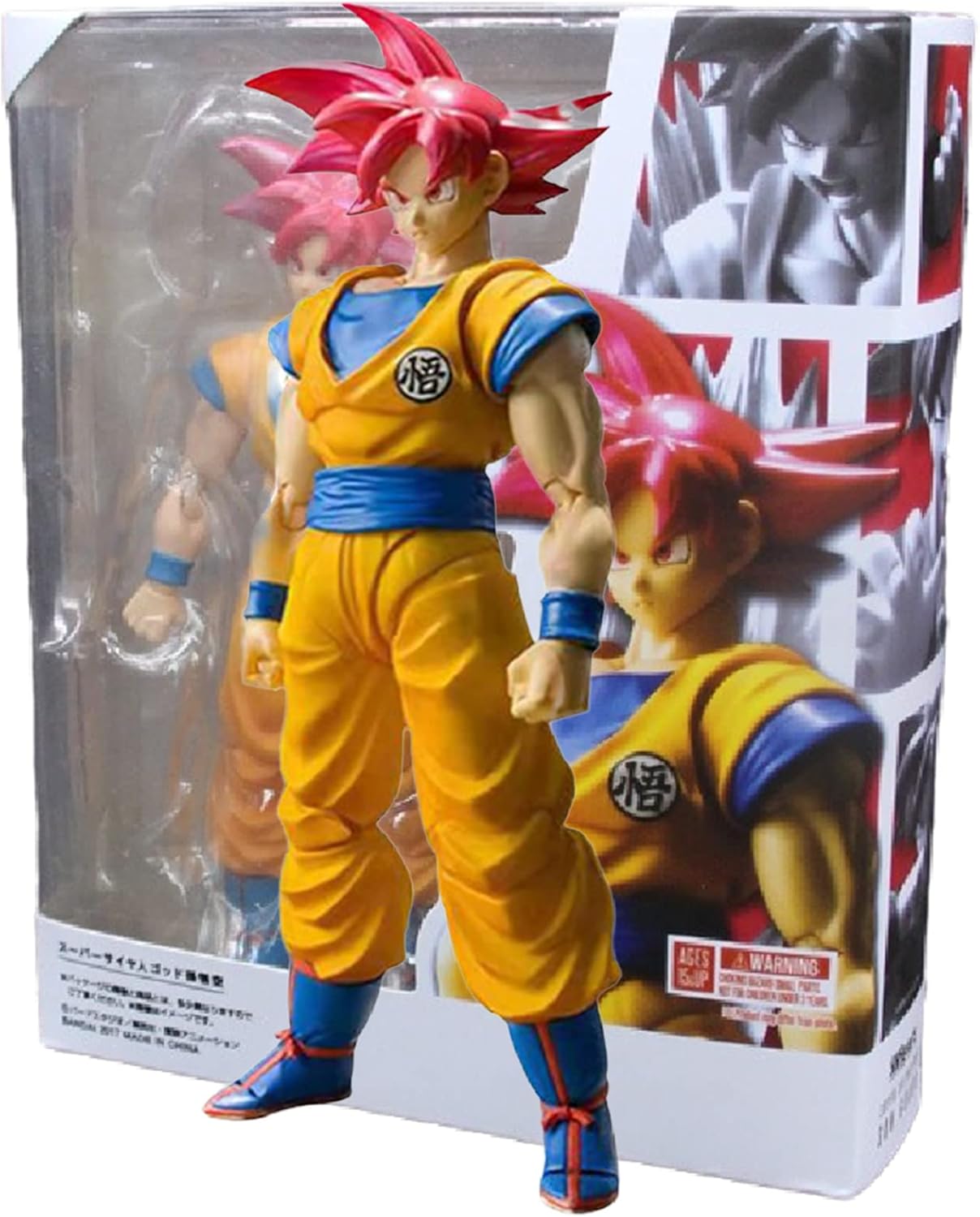
Also, for the pose, base, and shelf balance part, I would picture the figure already sitting on a shelf and then work backward to the proof in the listing. For this pose, base, and shelf balance section, the deciding detail is different from the previous section: the buyer should compare the proof that belongs to this exact topic before trusting the listing. Detail 2 is about how pose, base, and shelf balance changes the final choice for dragon ball figures.
Prize Figure, Scale Figure, or Premium Release
Related Reading
Not every buyer needs the most expensive release. Prize-style figures can be excellent first choices because they are easier to display, easier to replace, and usually less stressful to buy. Scale figures or premium releases make more sense when the buyer cares about sharper sculpting and deeper paint.
That said, the right choice depends on the role of the figure. A desk figure needs a compact footprint and clear silhouette. A shelf centerpiece needs stronger detail and a pose that anchors the display. Still, a gift figure should be recognizable, sturdy, and easy to enjoy immediately.
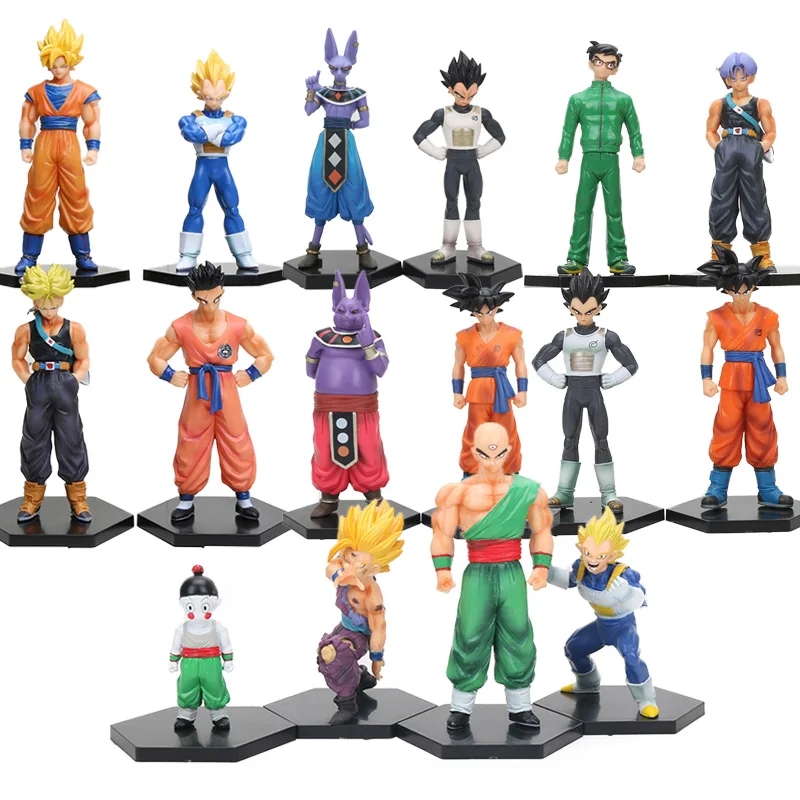
For the prize figure, scale figure, or premium release part, I would picture the figure already sitting on a shelf and then work backward to the proof in the listing. For this prize figure, scale figure, or premium release section, the deciding detail is different from the previous section: the buyer should compare the proof that belongs to this exact topic before trusting the listing. Detail 3 is about how prize figure, scale figure, or premium release changes the final choice for dragon ball figures.
Box Condition and Included Pieces
Instead, box condition matters for collectors and gift buyers. Corners, window plastic, seals, inserts, dents, fading, and crushed edges can affect value and presentation. If the figure is pre-owned, the seller should explain whether the box, stand, effects, hands, faces, or small accessories are included.
Missing pieces can turn a good-looking figure into a frustrating purchase. This is especially true for figures with alternate faces, hands, stands, or energy parts. Clear photos and honest notes protect the buyer from guessing.
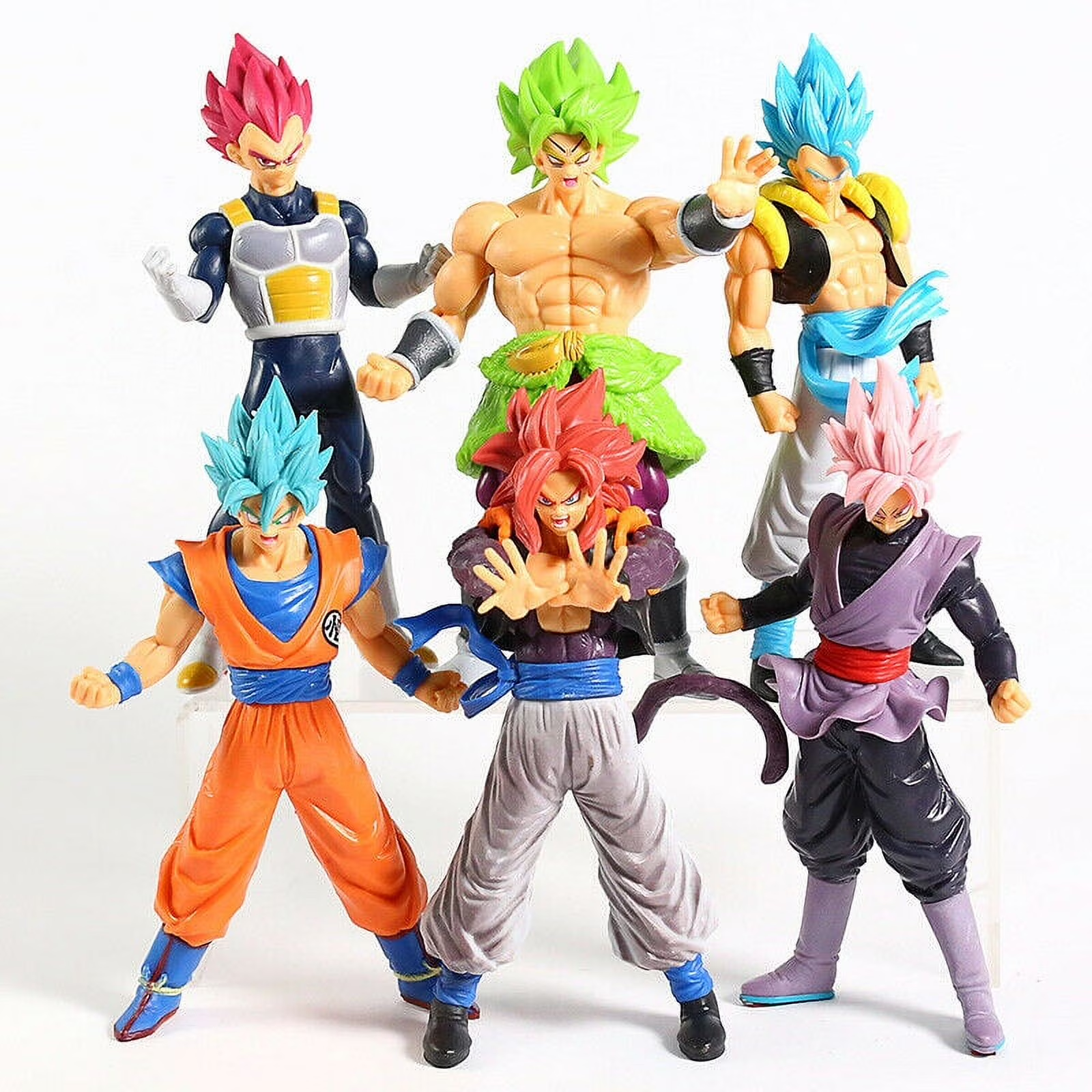
Before buying, for the box condition and included pieces part, I would picture the figure already sitting on a shelf and then work backward to the proof in the listing. For this box condition and included pieces section, the deciding detail is different from the previous section: the buyer should compare the proof that belongs to this exact topic before trusting the listing. Detail 4 is about how box condition and included pieces changes the final choice for dragon ball figures.
Bootleg Risk and Seller Proof
Dragon Ball figures are popular enough that buyers should watch for vague listings, strange paint, unclear manufacturer names, and prices that seem disconnected from similar items. A low price can be fine, but it needs enough proof to explain why the item is cheaper.
In practice, seller proof matters more than hype language. Actual photos, product line names, packaging details, and consistent descriptions make the listing easier to trust. If the page relies only on stock images, I would compare another option before choosing.
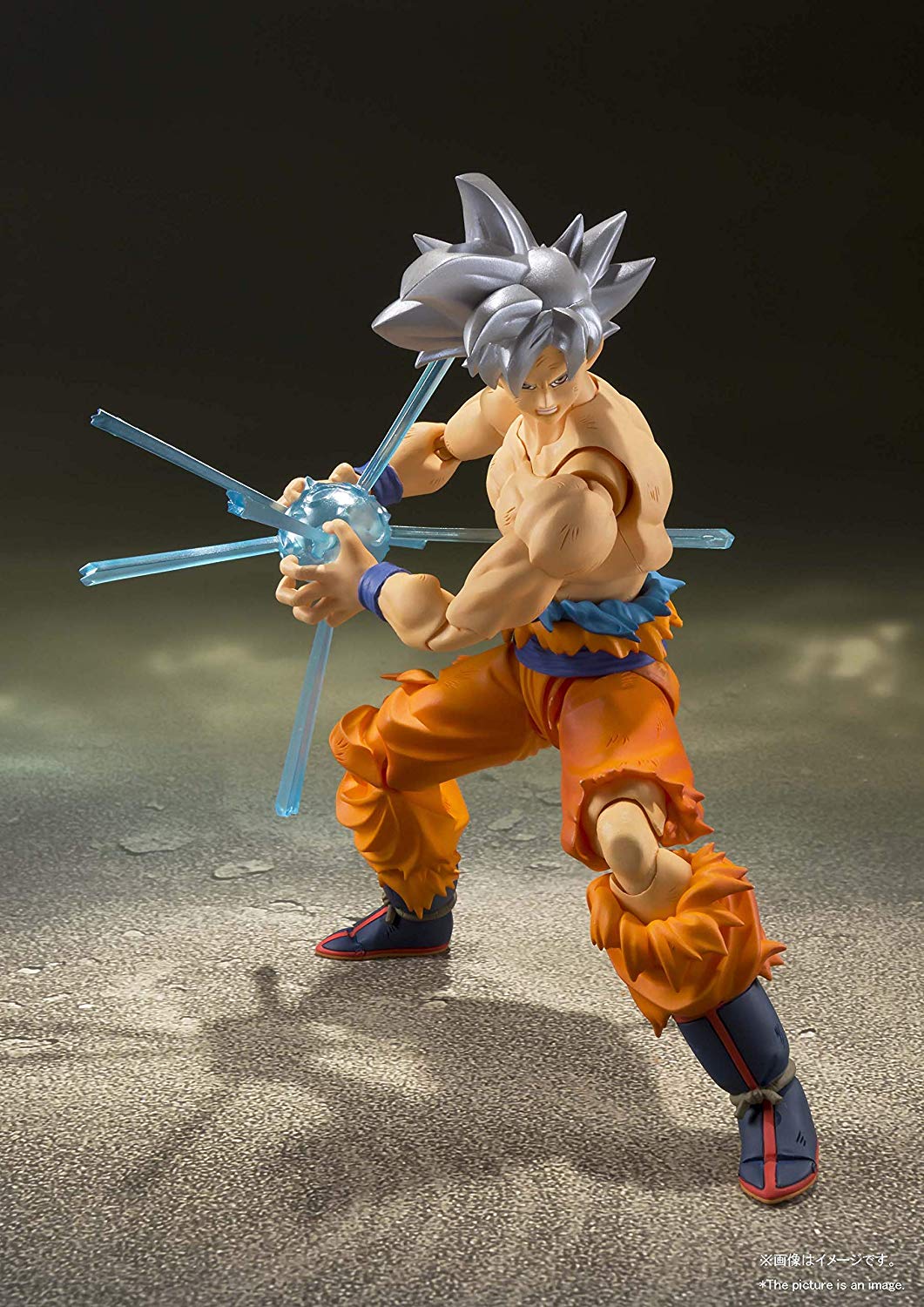
For the bootleg risk and seller proof part, I would picture the figure already sitting on a shelf and then work backward to the proof in the listing. For this bootleg risk and seller proof section, the deciding detail is different from the previous section: the buyer should compare the proof that belongs to this exact topic before trusting the listing. Detail 5 is about how bootleg risk and seller proof changes the final choice for dragon ball figures.
Photos That Show the Actual Figure
For example, useful photos show front, side, back, face close-up, base, accessories, and box. A single dramatic front image is not enough because it hides the parts collectors inspect most carefully. The buyer should be able to see paint, balance, size, and condition before checkout.
For opened figures, photos should also reveal dust, scratches, paint transfer, loose joints, leaning, and repaired pieces. Those details do not always ruin a figure, but they should be visible so the price and expectation feel fair.
Still, for the photos that show the actual figure part, I would picture the figure already sitting on a shelf and then work backward to the proof in the listing. For this photos that show the actual figure section, the deciding detail is different from the previous section: the buyer should compare the proof that belongs to this exact topic before trusting the listing. Detail 6 is about how photos that show the actual figure changes the final choice for dragon ball figures.
Gift Buyer Versus Display Collector
A gift buyer usually needs a figure that is instantly recognizable and not too fragile. Main characters and classic poses tend to be safer unless the buyer knows the recipient’s exact favorite form or product line. Clean packaging also matters because the first impression happens before the figure reaches the shelf.
Also, a display collector can be more selective. They may care about scale, line consistency, box condition, pose direction, and whether the figure fills a specific gap. The best article explains this split clearly so the reader does not overpay for details they do not need.
For the gift buyer versus display collector part, I would picture the figure already sitting on a shelf and then work backward to the proof in the listing. For this gift buyer versus display collector section, the deciding detail is different from the previous section: the buyer should compare the proof that belongs to this exact topic before trusting the listing. Detail 7 is about how gift buyer versus display collector changes the final choice for dragon ball figures.
My Practical Figure Recommendation
That said, for Dragon Ball figures, I would choose the listing with the clearest face photos, stable pose proof, and honest box or accessory notes. A cleaner, well-documented figure is usually a better buy than a flashier figure with vague photos.
The final pick should feel good both emotionally and practically. If the character, sculpt, condition, scale, and seller proof all line up, the figure has a much better chance of staying satisfying after it arrives.
Instead, for the my practical figure recommendation part, I would picture the figure already sitting on a shelf and then work backward to the proof in the listing. For this my practical figure recommendation section, the deciding detail is different from the previous section: the buyer should compare the proof that belongs to this exact topic before trusting the listing. Detail 8 is about how my practical figure recommendation changes the final choice for dragon ball figures.
A more careful Dragon Ball Figures article should also help readers reject weak options, not only choose strong ones. If the photos hide the exact item, the description mixes product types, or the seller avoids condition details, the safer move is to compare another listing before paying.
Before buying, this is the kind of detail that makes Dragon Ball Figures content feel written for real fans. The reader should leave with a practical eye for product type, character match, condition proof, delivery risk, and the difference between a simple first pick and a more serious collector choice.
My final view on Dragon Ball Figures is that the best purchase should feel clear twice: first when the buyer sees the character or design, and again when they inspect the evidence. When both moments line up, the item has a much better chance of feeling satisfying after it arrives.
Want to discover more quality products? Visit our online store.