
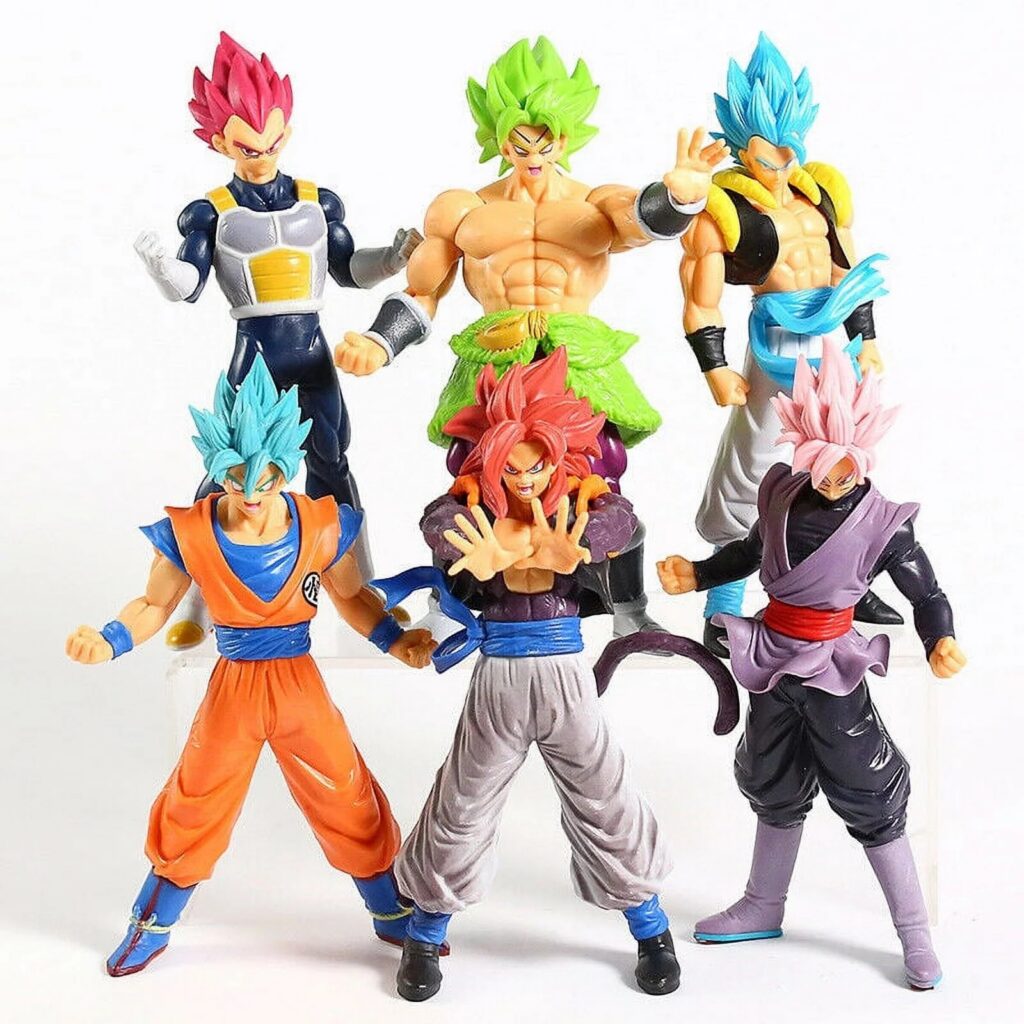
dragon ball figures:Buying your first Dragon Ball figure should feel fun, not like an exam in release lines, scale charts, and collector slang. Most people are really chasing one simple feeling: that moment when Goku’s stance, Vegeta’s glare, Piccolo’s cape, or Frieza’s smug expression looks right on a shelf and reminds you why the series stuck with you.
In practice, for collectors, dragon ball figures is not only about the character or design. It also has to look right on a shelf, desk, wall, or gift table.
In practice, for US and European fans, the best place to begin is not with the rarest item or the biggest box. It is with the character background you care about most. A Super Saiyan Goku figure has a different emotional job than a calm Gohan, a battle-damaged Vegeta, or a cheerful Kid Buu. Good dragon ball figures should match the version of the character you remember, fit your display space, and hold up under close viewing without making you worry about fragile parts every time you dust the shelf.
Fan Context Before the Purchase
For example, the first thing most buyers notice about dragon ball figures is not the technical spec sheet. It is whether the character reads correctly from across the room. Goku should feel energetic even in a still pose. Vegeta needs that sharp pride in the eyes and posture. Gohan can look heroic, gentle, or intense depending on the saga being represented, so the expression matters more than many beginners expect. For example, new fans may prefer clear, iconic versions: Super Saiyan Goku, Saiyan armor Vegeta, Future Trunks with his sword, or Piccolo in his cape and turban.
These are easy to recognize, easy to gift, and usually work well as a first shelf piece. If you are buying for someone else, pick a character form they actually talk about. A fan who loves Namek-era tension may enjoy a Frieza or Super Saiyan Goku more than a random power-up they have no attachment to. Experienced collectors often look deeper at character accuracy. They may compare whether the hair shape suits the anime design, whether the muscles are exaggerated in a way that fits the line.
Also, consider whether the pose captures a specific battle mood. A dramatic Kamehameha pose can look amazing in a display cabinet. But it may need more horizontal space than a simple standing figure. In practice, the best figure is not always the most explosive one. It is the one that still looks good after the initial excitement fades. Still, current popular styles often include dynamic attack poses, clear energy effects, compact prize-style figures, and cleaner premium-looking statues. Each has a different use. A desk figure should be stable and not too wide.
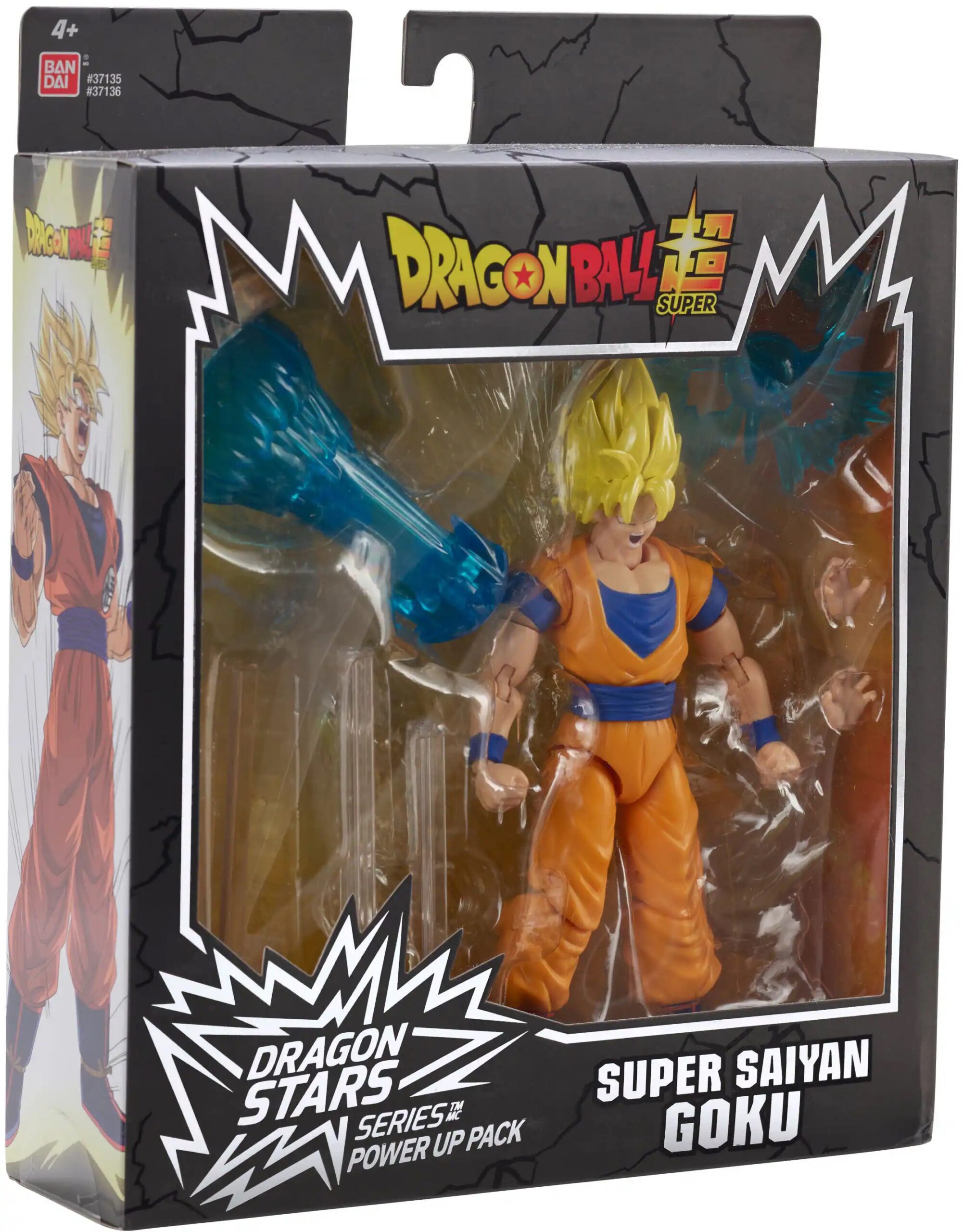
A cabinet centerpiece can handle a flying pose or large aura effect. That said, a gift figure should be recognizable before it is technical. That is where character background helps: buy the version that carries a memory, not just the one with the loudest sculpt.
Dragon Ball Figures Formats Fans Often Compare
Also, face paint is where a Dragon Ball figure either wins trust or starts to feel off. The eyes need to be clean, the mouth should match the character’s mood, and the skin tone should not look muddy under normal room lighting. On characters like Vegeta, Gohan, or Android 18, tiny misalignment around the eyes can change the whole personality. If actual-item photos are available, zoom in on the face before you worry about the box art.
Also, hair sculpt is just as important because Dragon Ball designs are instantly recognizable by silhouette. Super Saiyan hair should have sharp, confident spikes rather than soft lumps. Goku’s hair shape is different from Gohan’s, and Trunks should not look like a generic blond swordsman. For cosplay-minded fans, this is similar to choosing the right wig: color helps, but shape sells the character. A figure with strong hair sculpt often displays better even if the paint is simple.
That said, pose and balance deserve a slower look. Action poses bring movement, but they can also create weak points at the ankles, waist, or support peg. If a figure leans on one foot, uses a thin stand, or has a heavy effect part, base stability becomes part of the buying decision. A figure that slowly tilts on a warm shelf is frustrating, especially for collectors using glass cabinets or narrow bookcases.
That said, accessories also change the value of the piece. Extra hands, energy blasts, swords, scouters, halos, or alternate faces can make a figure feel more complete, but missing parts matter. For secondhand purchases, check whether the listing clearly shows the figure, base, supports, and accessories together. Box condition is less important for a casual display buyer. But it matters if the recipient stores boxes or if the collector likes a tidy archive. Be careful with blurry photos, vague manufacturer details, unusually rough paint, or packaging that looks inconsistent with known figure lines, as bootleg risk is real in this category.
Comparison Notes That Change the Decision
Related Reading
Instead, a good Dragon Ball display usually tells a small story. You might build around Saiyan pride with Goku, Vegeta, and Trunks. You might focus on mentors with Piccolo and Gohan. Or you might create a villains shelf with Frieza, Cell, and Majin Buu. Thinking this way helps prevent random buying, especially when many dragon ball figures look tempting in isolation. Instead, for beginners, I would choose one strong central character first. Super Saiyan Goku is the safest all-around pick because he works for casual viewers, long-time fans, and gift buyers. Vegeta is better if the person likes rivalry, attitude, and sharper display energy. Gohan is a warmer choice for fans who connect with growth and responsibility. These differences sound emotional, but they matter because figures are decorative objects you live with.
Collectors can be more selective about scale and line consistency. If your shelf already has several compact figures, a much larger statue may overpower the group. If your cabinet is arranged by saga, a character from a different era might feel visually out of place. That does not mean every piece must match perfectly, but some planning makes the display look intentional instead of crowded.
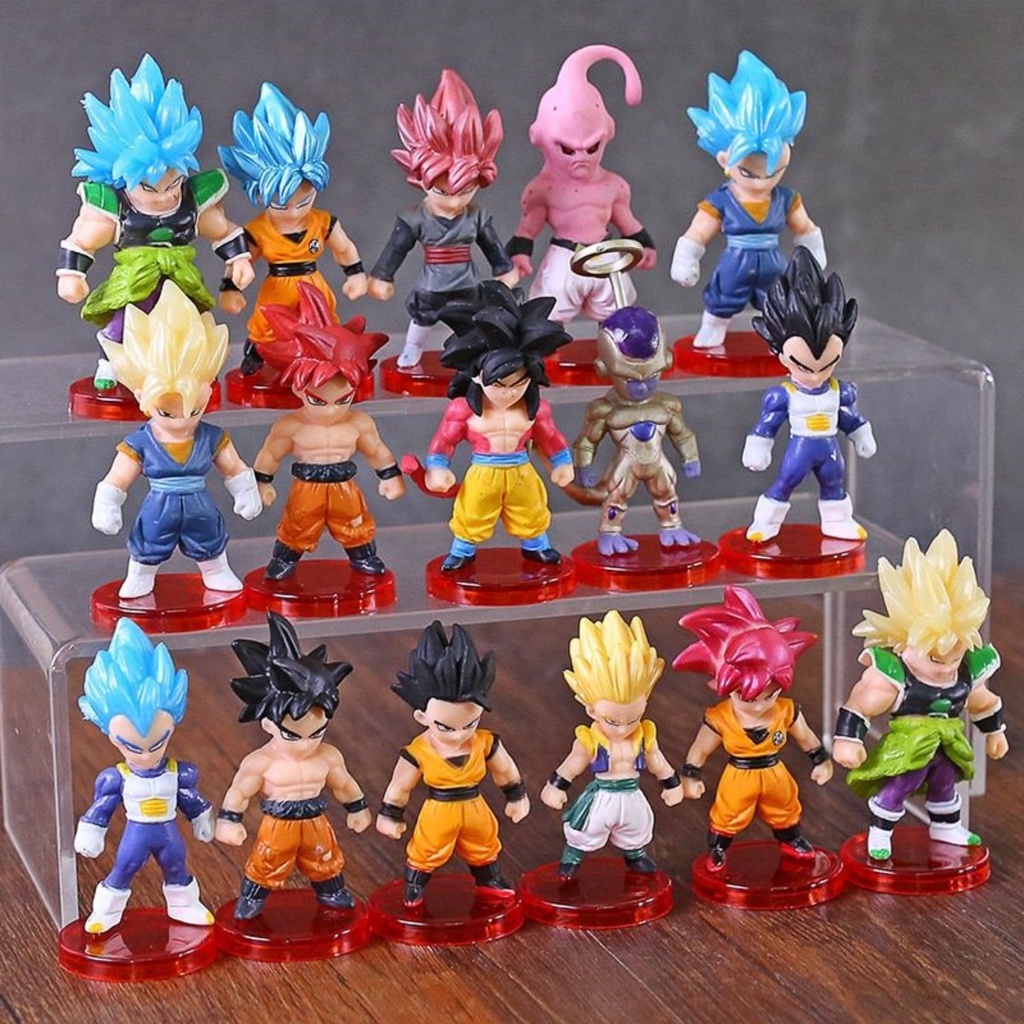
Before buying, as a gift, dragon ball figures work best when the character choice is obvious and the pose is not too fragile. A dramatic figure with translucent effects may impress an experienced fan. Meanwhile, a clean standing pose is often safer for a bedroom shelf, office desk, or dorm setup. If the buyer is hesitating, I would rather gift a recognizable character in a stable format than gamble on a complex figure with many small parts.
For display, measure the real space before falling in love with the promo angle. Height matters, but width and depth matter more for attack poses. A Kamehameha effect, flowing cape, or extended sword can push a figure beyond a normal shelf. Also think about lighting. Glossy paint and metallic effects can look excellent in a cabinet. Meanwhile, softer matte finishes may feel more natural in everyday room decor. In practice, storage is another quiet detail. Some collectors keep boxes for moving, resale flexibility, or personal organization. Others flatten nothing and simply enjoy the figure out of the package. Both approaches are valid. Just be honest about your space. A figure you cannot display and cannot store comfortably may turn from exciting to annoying very quickly.
Display, Daily Use, or Gift Fit
When I were advising a new fan, I would choose a stable, character-accurate figure of their favorite major form before chasing a large centerpiece. Look for a clean face, strong hair silhouette, balanced stance, and a base that does not fight the pose. That combination usually gives the most satisfaction for the least stress. For example, for experienced collectors, I would slow down around paint quality, line consistency, accessories, and how the figure fits the existing shelf story. A slightly quieter figure with better proportions can be more rewarding than a huge action piece with awkward support parts. Be careful with listings that hide the face, avoid showing the base, or do not confirm accessories. That is where a tempting figure can become a disappointment.
The fit judgment is simple: buy the Dragon Ball figure that makes the character feel alive in your space. Skip, or at least pause, when the pose looks unstable, the face paint feels wrong, or the version of the character does not mean anything to you. Collecting is more enjoyable when every piece has a reason to be there.
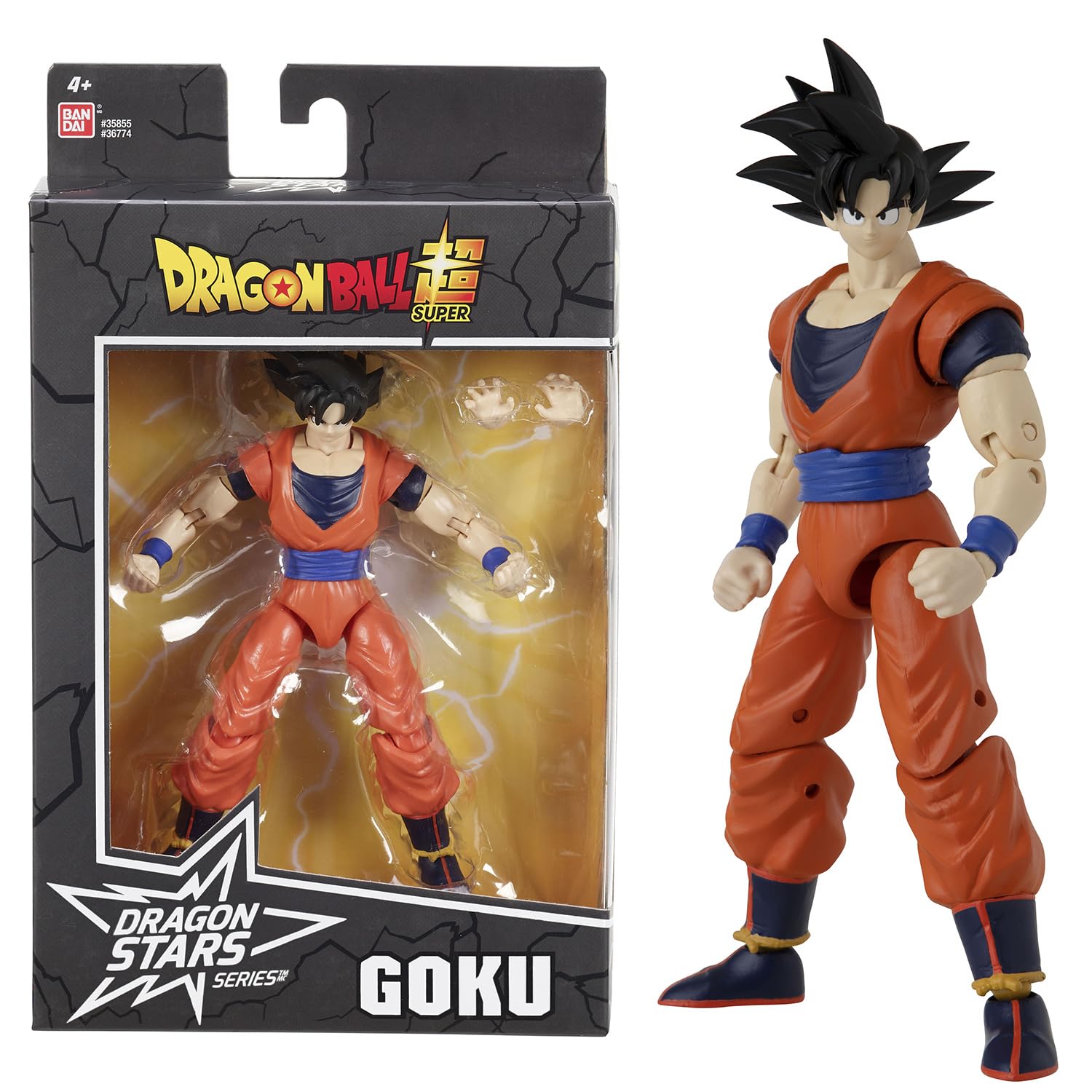
My Practical Dragon Ball Figures Recommendation
What are the best dragon ball figures for beginners?
Still, beginners usually do well with iconic, stable figures of Goku, Vegeta, Gohan, Piccolo, or Future Trunks. Choose a recognizable form, clean face paint, and a pose that fits a normal shelf.
How can I tell if a Dragon Ball figure looks character-accurate?
Check the face, hair shape, outfit details, and posture. Dragon Ball characters have strong silhouettes, so even small mistakes in the eyes or hair can make the figure feel unlike the character.
Are boxed figures better than loose figures?
Also, boxed figures are better for collectors who care about storage, presentation, or long-term condition. Loose figures can be fine for display if the photos clearly show the figure, base, and all accessories.
What should I watch for when buying secondhand dragon ball figures?
Look for actual-item photos, clean paint, complete accessories, base stability, and clear manufacturer or line clues. Be cautious with blurry images, missing supports, or details that suggest a possible bootleg.
Do Dragon Ball figures make good gifts?
That said, yes, especially when you know the recipient’s favorite character or saga. For safer gifting, choose a recognizable character in a sturdy pose rather than a delicate figure with many small effects.
Buying your first dragon ball figures should feel fun, not like a test of how much lore you can recite. If you know the character, the transformation, and where the figure will live, you already have enough to make a good choice. The details that matter first are simple: does the face look right, does the hair shape match the version you love, and will the pose still feel exciting after the first week on your shelf?
Instead, dragon Ball is especially figure-friendly because the character silhouettes are so readable. Goku’s spiked hair, Vegeta’s sharp widow’s peak, Piccolo’s cape, Frieza’s smooth alien forms, and Broly’s huge frame all communicate story before you even look at the box. That character background matters. A calm Goku in his orange gi gives a very different shelf mood from a battle-damaged Super Saiyan pose, even if both are technically the same hero. For beginners, I would choose the version that captures why you liked the character in the anime or manga, not simply the one with the biggest effect part.
Prize Figure, Scale Figure, or Smaller Desk Display
Prize figures are often the easiest entry point for fans who want a recognizable Dragon Ball character without building a museum-style collection. They usually focus on a strong standing pose, a clean costume shape, and a display-friendly size. For a new fan choosing between Goku, Vegeta, Gohan, Trunks, or Piccolo, a prize figure can be the most relaxed first buy. It looks complete on its own and does not demand a full matching set.
Before buying, scale figures tend to ask for more attention. They may have sharper sculpting, more dramatic poses, refined paint, and bases designed to frame the character. That makes them appealing for experienced collectors who care about a specific arc or transformation. A collector comparing two Vegeta figures, for example, may notice whether the armor has the right bulk, whether the gloves are painted cleanly. Also, check whether the expression feels arrogant, furious, or oddly blank. With Dragon Ball, the face is not a small detail. If the eyes are off, the whole character can lose personality.
Smaller desk displays are worth considering if you want everyday fan energy rather than a centerpiece. A compact Goku or Shenron display near a monitor, manga shelf, or game setup can feel personal without taking over the room. Gift buyers often do well here, especially when they are not sure how much space the recipient has. A smaller figure is also easier for dorm rooms, office shelves, and shared apartments where a giant battle diorama may be a bit too loud.
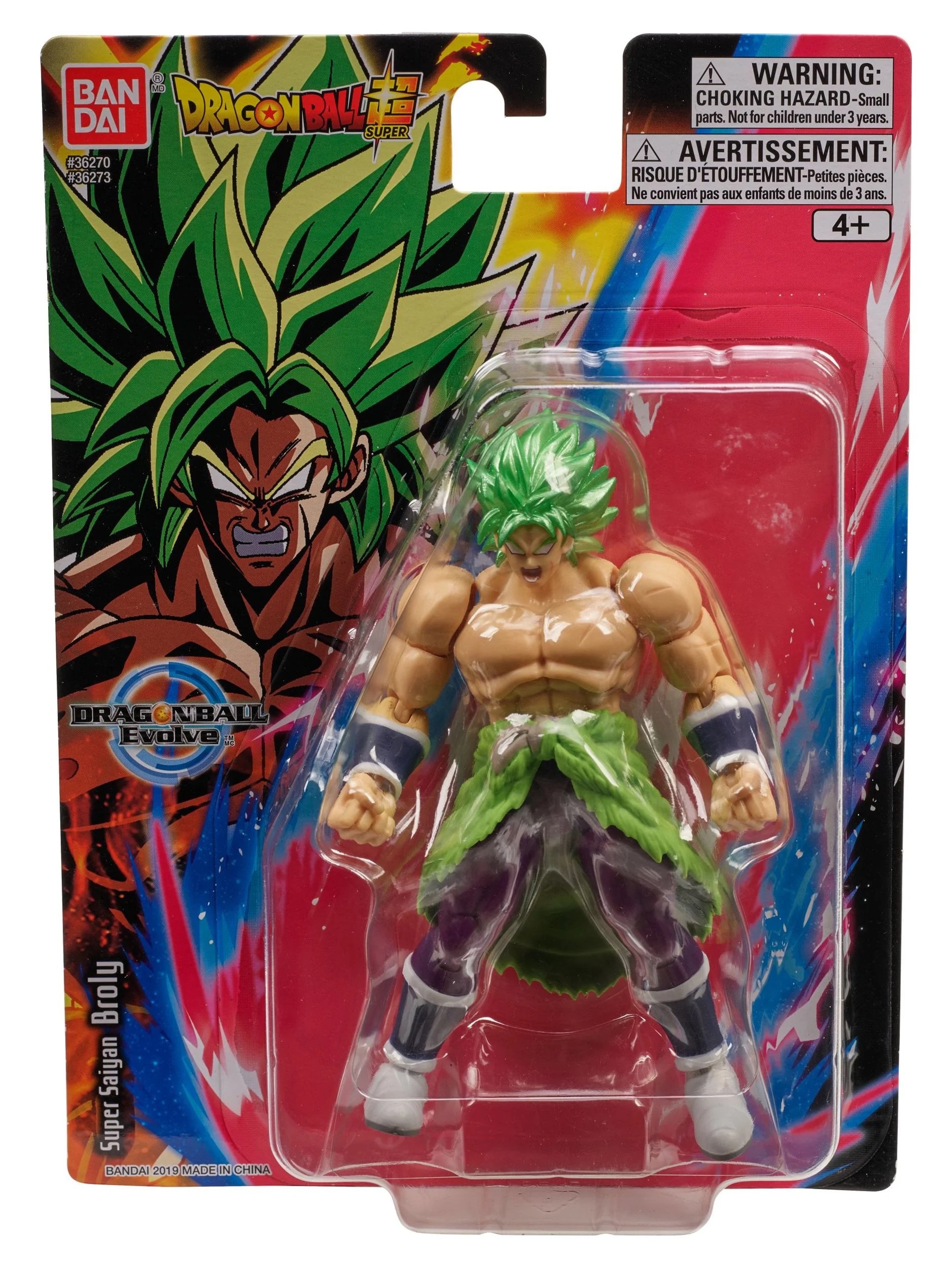
In practice, my practical shortlist would be this: new fans should lean toward a clean, iconic character pose. Experienced collectors should prioritize the exact transformation and sculpt quality. Gift buyers should choose a stable, instantly recognizable figure over a complicated display with many small parts. Dragon Ball figures are most satisfying when the format matches the fan’s daily life, not just the character’s power level.
Box Condition, Missing Parts, and Bootleg Risk
Box condition matters most when the figure is a gift, a collector piece, or something the owner may store long-term. A crushed corner is not always a dealbreaker for an open-box shelf display. But heavy box wear can make a present feel less special. If the figure includes a window box or printed character art, collectors may also care because the packaging becomes part of the display story.
For example, missing parts are a bigger concern than a scuffed box. Dragon Ball figures can include alternate hands, effect pieces, stands, support rods, removable scouters, halos, energy blasts, or small character-specific accessories. A Future Trunks figure without the sword, a Vegeta without the correct base support, or a flying pose missing its clear stand can feel incomplete even if the main sculpt looks fine. Before committing, check actual-item photos when possible, not just clean promotional images. Look for the base, pegs, support pieces, and any accessories shown on the box or official-style lineup images.
Bootleg risk is real in popular anime figures, and Dragon Ball is popular enough to attract poor copies. Be careful when the face paint looks muddy, the hair sculpt appears soft, the skin tone seems oddly shiny, or the logos and manufacturer details are unclear. Common manufacturer and line clues can help, but do not rely on a name alone. In practice, I slow down when a figure has only one blurry image, no box photos, no close-up of the face, or a description that avoids condition details.
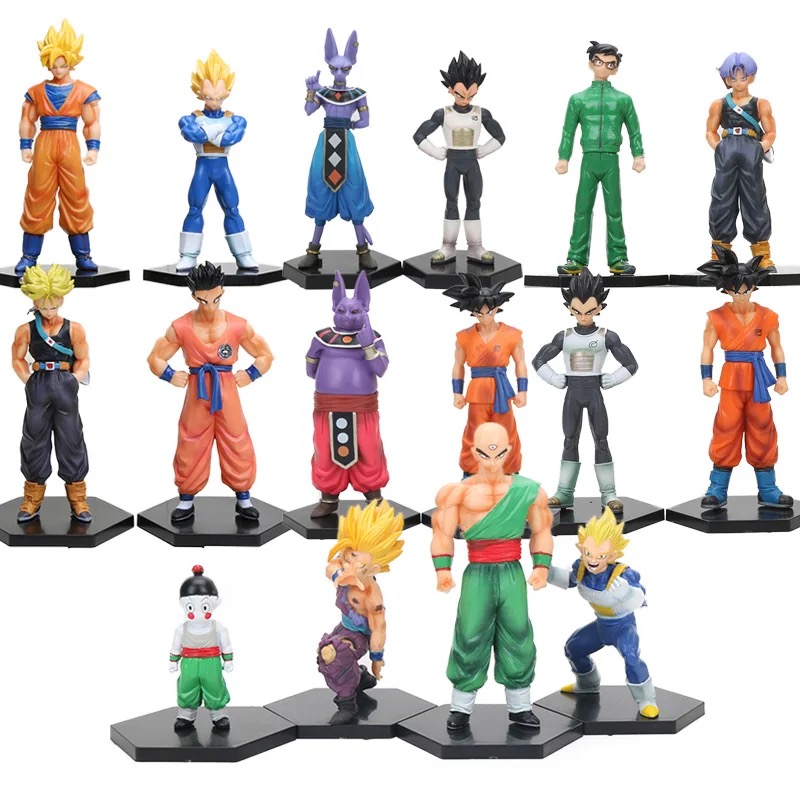
Still, for cosplay buyers and event fans, accuracy can matter in a slightly different way. If you are building a display beside a Goku wig, Vegeta gloves, a scouter prop, or a Capsule Corp-themed shelf, the figure’s colors need to read correctly from a few feet away. The orange gi should not look flat and lifeless, the blue undershirt should not bleed into the skin paint, and a scouter should sit cleanly on the face. A figure can be fun even with small paint flaws, but character identity should never feel accidental.
Shelf Fit for New Fans and Serious Collectors. Shelf fit is where many good dragon ball figures either become favorites or quietly disappear into storage. A wide power-up stance, flying base, or huge aura effect can look amazing in photos but awkward in a narrow bookcase. Before choosing, imagine the figure next to manga volumes, Blu-rays, game cases, or other anime figures. Dragon Ball characters often have tall hair and forward-leaning battle poses, so height and depth matter as much as width.
FAQ
What matters most about dragon ball figures?
The clearest takeaway is the context, the details that make dragon ball figures distinct, and the next step that makes the topic easier to explore.
Why is dragon ball figures worth a closer look?
It becomes more interesting when the main idea connects to examples, visible details, fan interest, or a practical decision.
How should a beginner approach this topic?
Start with the clearest version first, then compare more specific details once the basic context feels familiar.
Want to discover more quality products? Visit our online store.